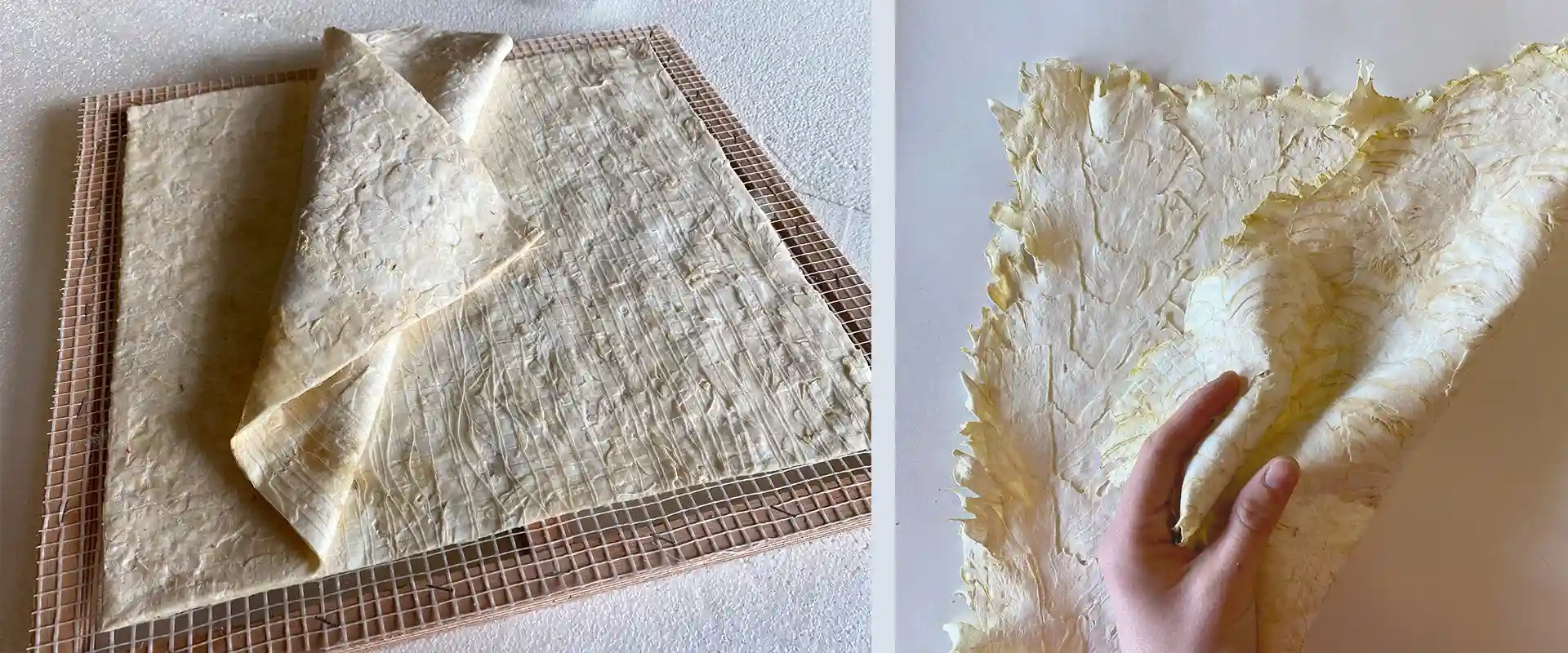
Traditional manufacturing requires high heat and energy. It forces raw materials into shapes. Our process is different. We let nature do the heavy lifting. We take agricultural waste like corn stalks or hemp hurds. We introduce mycelium spores to this waste. The spores feed on the waste. They grow a dense network of fibers. This binds the loose particles together. The result is a solid composite. It requires minimal energy to produce.
We apply this technology to create specific mycelium products for distinct industries.

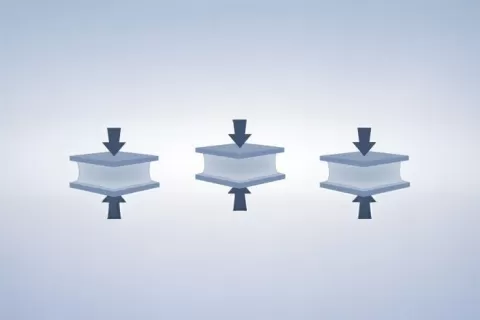
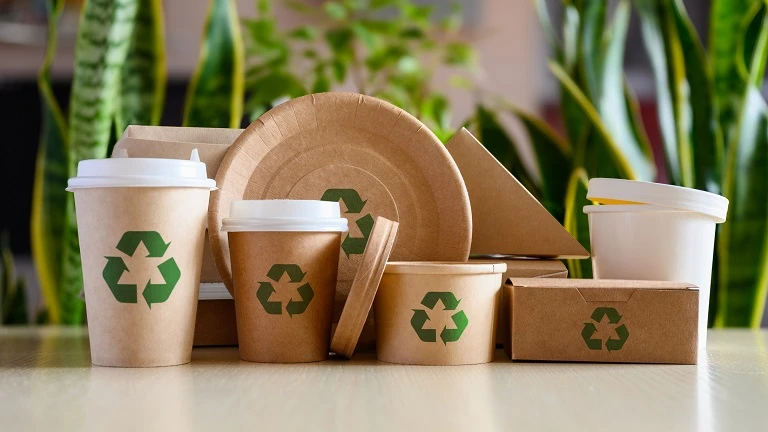
Global shipping generates massive waste. Styrofoam is the main culprit. We replace it with mycelium packaging. This material is shock-absorbent and lightweight. It is ideal for shipping electronics, cosmetics, or furniture. You use it exactly like foam. It fits custom molds perfectly. The end user does not need to recycle it. They can break it up and throw it in the garden. It feeds the soil instead of clogging a landfill.

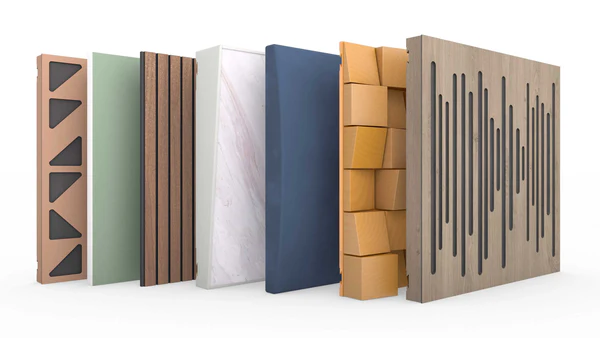
Designers constantly look for safer wall assemblies. Standard insulation often contains formaldehyde or glass fibers. Mycelium insulation offers a non-toxic alternative. You install these panels between wall studs. They trap heat effectively. They also dampen sound transmission between rooms. This makes them perfect for recording studios or quiet office spaces. They are naturally flame retardant. This eliminates the need for added chemical fire suppressants.

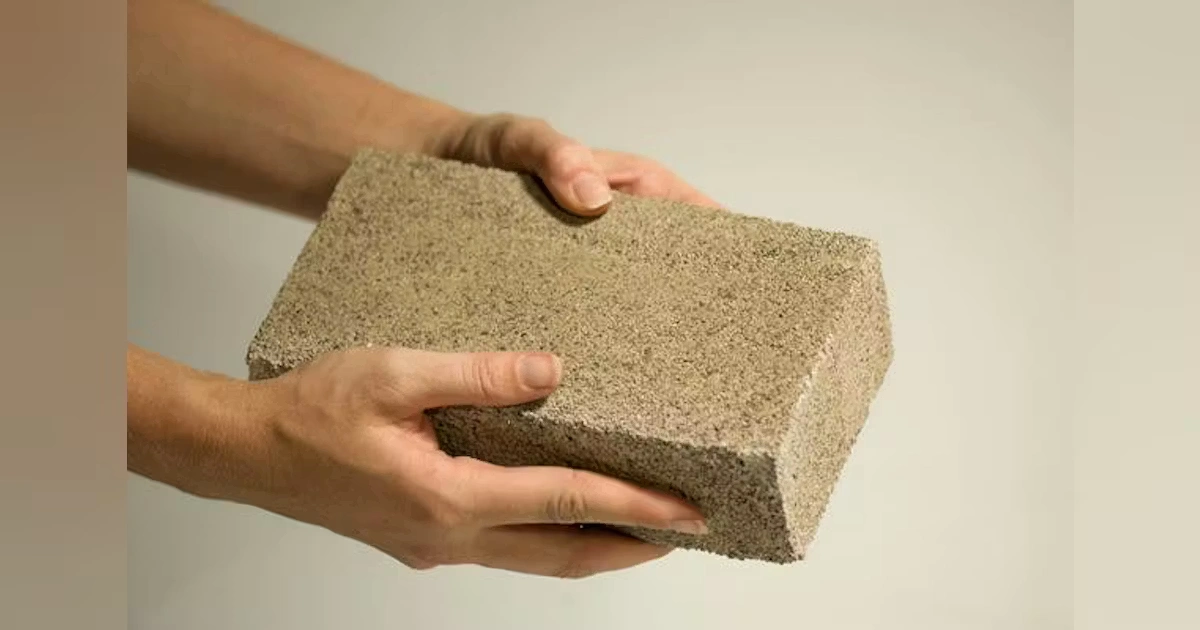
We are also exploring structural components. Mycelium bricks allow architects to build temporary structures. These bricks cure into a tough block. They are lighter than clay or concrete. They are not yet suitable for skyscrapers. However, they are perfect for interior walls, exhibition stands, or pop-up pavilions. They allow for rapid construction and easy demolition.

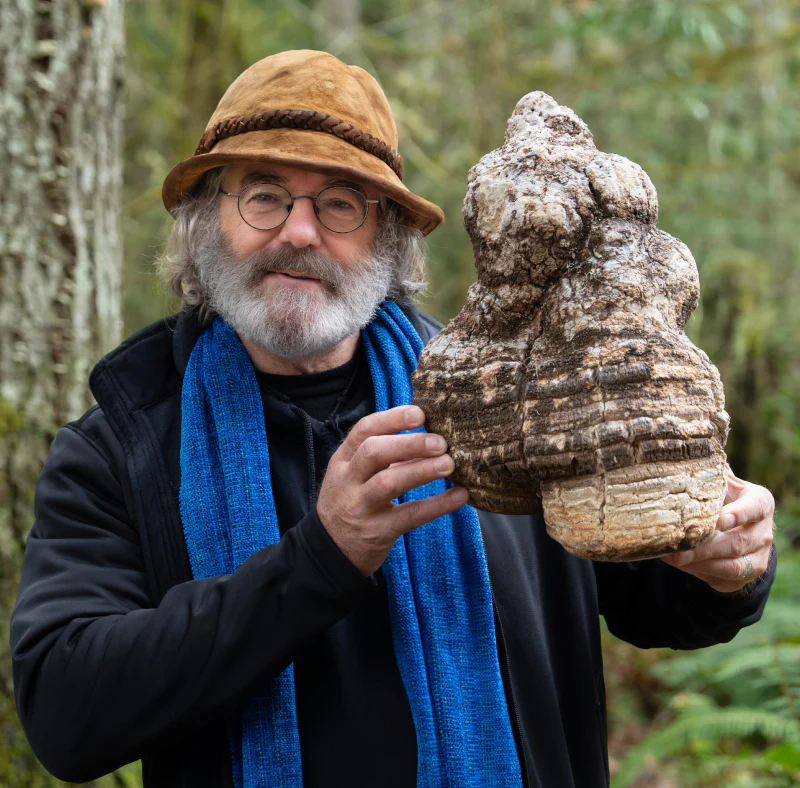
Paul Stamets
Neri Oxman
Janine Benyus

Students often ask how to start designing with these elements. You must consider the environment. These materials are organic. They are treated to be water-resistant, but they breathe. You should use them in breathable wall systems. Do not seal them behind plastic barriers. Allow the material to regulate humidity naturally.

Sustainable Packaging
Bio-Insulation & Bricks

The biggest advantage of these products is their carbon footprint. They are carbon negative. The plants used for the substrate absorb carbon dioxide while growing. The fungi lock that carbon into the solid form. This sequestered carbon remains in the product throughout its life. Using these materials actively reduces the carbon load in the atmosphere. It is a proactive step towards net-zero design. These platforms like best essay writing service Essaypro convert assignment guidelines into clear, organized essays that meet both content and formatting requirements. These services where you can find someone in Canada to write your paper offer dependable support by producing essays tailored to academic level, topic, and grading criteria.